How Much Does a New Roof Cost in the UK in 2026?
By the Professional Roofers team
Updated 2026 · Independent cost guide
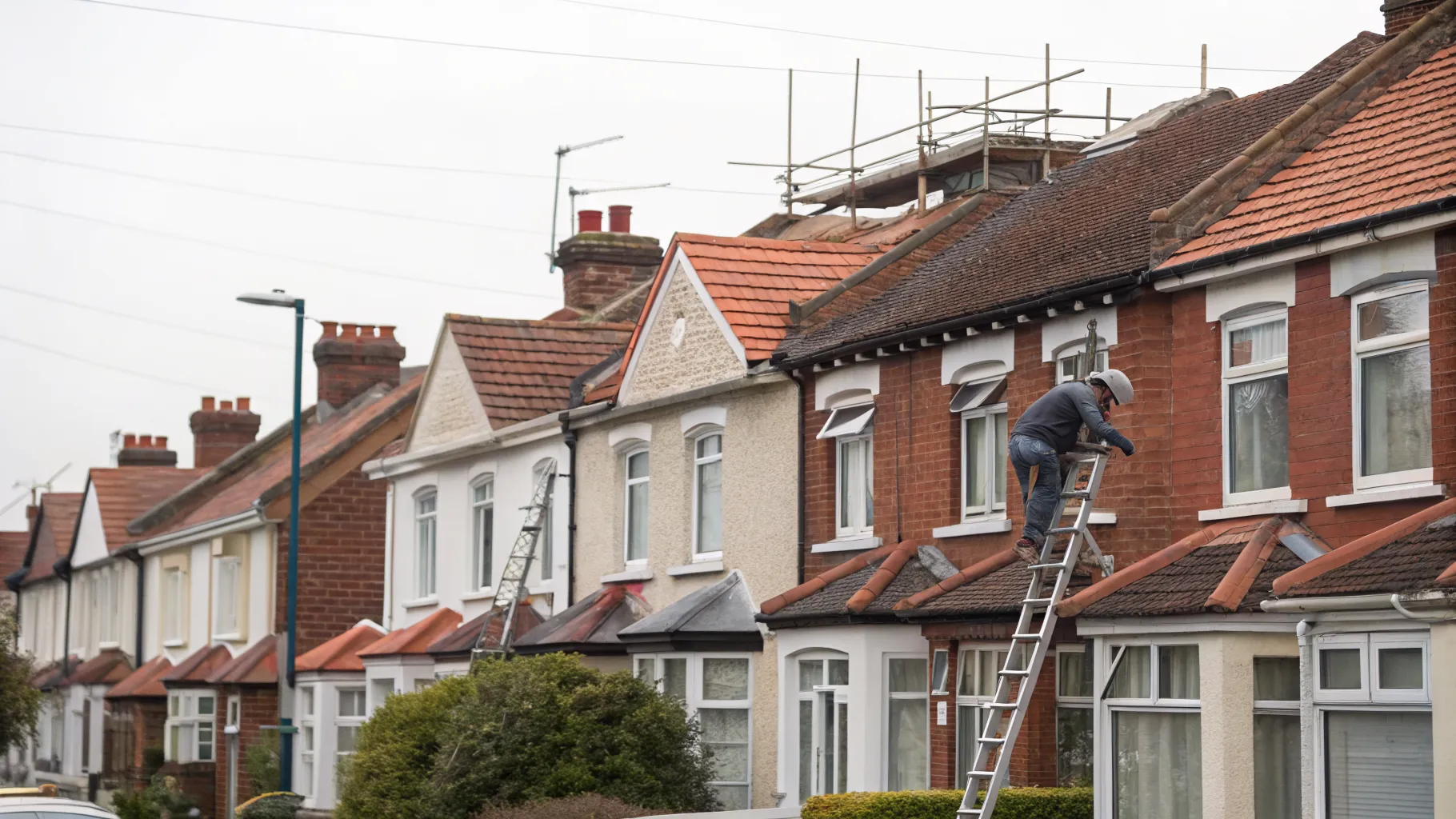
A full roof replacement is one of the larger bills a homeowner ever faces, and it is also one of the easiest to overpay on. Quotes for the same job can land thousands of pounds apart, partly because no two roofs are identical and partly because some firms price for the work and others price for what they think you will accept.
This guide gives you the real 2026 numbers, what drives them up or down, and the questions to ask before you sign anything. Prices below are typical UK figures including labour and materials unless stated. Your own quote will vary with your property and where you live.
The short answer
For a typical UK home, budget roughly £5,000 to £15,000 for a full pitched roof replacement, with most jobs landing around £7,000. Smaller terraced houses and simple gabled roofs come in lower. Large detached homes, complex hipped roofs with valleys, and heavy natural slate push well past that.
Those are total-job figures. They already include stripping the old roof, new battens and felt, the covering material, labour and basic scaffolding. The variation is wide because the two biggest cost drivers, your roof size and your chosen material, vary enormously from house to house.
Cost by property type
Roofers usually price by roof shape and pitch rather than the number of bedrooms, but property type is a useful rough guide. The figures below reflect typical 2026 pricing for a standard re-roof.
- Terraced house: £4,000 to £7,000. Smaller roof area, but access can be awkward and scaffolding sometimes has to wrap to the rear.
- Semi-detached, simple gabled roof: £5,000 to £8,000.
- Semi-detached, hipped roof: £6,000 to £10,000. Hips and valleys mean more cutting, more detailing and more labour.
- Detached, standard roof: £7,000 to £11,000.
- Detached, complex hipped roof with valleys: £11,000 to £15,000 and upward.
A hipped roof slopes on all four sides and costs more to cover than a gabled roof of the same footprint, because there is more cutting and more lead or detailing work at the joints. If your roof has dormers, multiple valleys, or several chimneys, expect to be at the top of the range or above it.
Cost by material
Material choice is the single biggest lever you control. Here is what the common coverings cost installed, per square metre.
- Concrete tiles: £55 to £85 per m². The cheapest mainstream pitched-roof option and the default on most post-war UK homes. Lifespan of around 30 to 60 years.
- Clay tiles: £70 to £110 per m². Hold their colour better than concrete and last longer, often 60 years or more. Common where planning or conservation rules require a traditional look.
- Natural slate: £90 to £150 per m² for Welsh and standard imported slate, with premium and heritage slate higher again. The longest-lived covering, with a service life that can exceed 100 years.
A typical UK roof is somewhere between 80 and 120 square metres of covered area, so the per-metre difference compounds fast. Switching from concrete tile to natural slate on a 100m² roof can add several thousand pounds to the material and labour cost alone.
There are cheaper slate-look alternatives if you want the appearance without the price. Fibre cement slate and composite synthetic slate both sit well below natural slate per square metre, though they will not match its lifespan.
Flat roofs
If you have a flat roof over an extension, garage or dormer, the material choices and costs are different.
- Felt (built-up bitumen): the cheapest, but the shortest lived. A standard three-layer felt roof lasts around 10 to 20 years.
- EPDM rubber: roughly £60 to £100 per m². A single sheet with no seams to fail, and a realistic lifespan of 30 years or more.
- GRP fibreglass: roughly £80 to £130 per m². Seamless and hard-wearing, typically lasting 30 years plus.
For most homeowners replacing a small flat roof, EPDM gives the best balance of cost and longevity. A small flat roof replacement often comes in around £1,000 to £2,000 all in, though that depends heavily on size and whether the deck underneath needs replacing too. Our flat roof options guide covers the trade-offs in more detail.
The extras that catch people out
The headline price is rarely the final price. These are the additions that move quotes apart, and the ones worth checking line by line.
- Scaffolding. This is a real cost and often the one buried in the total. Most domestic scaffold hire runs between £800 and £1,500 for a standard job, typically including six to eight weeks of hire. A full wrap around a larger or two-storey property, or a job needing temporary roofing, sits at the upper end or beyond. Always check whether scaffolding is included in the quote or billed separately, and watch for council pavement permit fees on top.
- Removing the old roof. Stripping and disposing of old tiles and felt is labour and skip cost, often £1,000 to £2,500. It is usually built into the total, but confirm it.
- Asbestos. Older felt, soffits and some artificial slates can contain asbestos. Licensed removal adds roughly £2,750 on average and is not optional if it is present.
- Timber repairs. Rotten battens, rafters or decking are common once the old covering comes off. Good roofers flag this as a possibility and quote a day rate for any repairs rather than hiding it.
- Insulation upgrade. More on this below, but it is a real cost the cheapest quotes sometimes ignore.
Labour itself sits at roughly £200 to £350 per roofer per day, or £25 to £45 an hour, in 2026, with specialist slate and lead work at the higher end. A standard domestic re-roof takes a two or three person team one to three days once scaffolding is up.
Where you live changes the price
Regional variation is significant. London and the South East typically run 15 to 25 per cent above the national average, driven by higher labour rates and parking and access costs. The North of England, Wales and Scotland tend to come in below average. A quote that looks high in Yorkshire might be entirely normal in Surrey, so compare against local prices rather than a single UK figure.
The Building Regulations point most people miss
This one has cost implications and the cheapest quotes sometimes skate over it. If you replace or refurbish more than 25 per cent of your roof area, the work falls under the Building Regulations. You must notify Building Control, and the roof insulation has to be brought up to current thermal standards under Part L. That can mean fitting insulation boards or upgrading the loft insulation, which adds material and labour. The Planning Portal sets out the thermal element rules in plain terms.
You have two routes to sign this off. You can pay your local authority Building Control to inspect and certify the work, or you can use a roofer registered with a Competent Person Scheme who can self-certify their own work as compliant. The main scheme is the NFRC Competent Person Scheme, run by the National Federation of Roofing Contractors. A registered contractor can self-certify where 50 per cent or more of the roof is being refurbished, in which case you receive an automatically issued Building Regulation compliance certificate and an insurance-backed guarantee, and you avoid a separate Building Control fee.
A quote that ignores the insulation requirement on a full re-roof is either incomplete or planning to cut a corner you will be liable for later.
How to check you are being quoted fairly
Get three written quotes and read them like for like. The cheapest is rarely the bargain it looks, and the dearest is not automatically a rip-off. What you are looking for is a quote that itemises the work rather than giving one round number.
A fair, professional quote should spell out:
- The covering material and brand, the underlay and the battens
- Whether scaffolding is included and for how long
- Stripping and disposal of the old roof
- A clear position on Building Regulations and insulation
- A day rate for any timber repairs found once the roof is open
- A written guarantee, and whether it is insurance-backed
Be wary of any firm that pressures you to decide on the spot, asks for a large cash deposit up front, or cannot give a fixed address and registered company details. Check the contractor is registered with a recognised body. The NFRC find a contractor directory lets you confirm a roofer has passed financial, insurance and on-site checks before you let them on your roof.
Frequently asked questions
How long does a new roof last? It depends on the material. Concrete tiles last around 30 to 60 years, clay tiles 60 years or more, and natural slate can exceed 100 years. Flat roofs are shorter lived, from roughly 10 to 20 years for felt up to 30 years plus for EPDM rubber and GRP fibreglass.
Do I need scaffolding for a roof replacement? Almost always, yes. Working at height on a full re-roof requires scaffolding for safety and to meet site rules. It is one of the larger line items, so check whether your quote includes it or charges it separately.
Can I replace just part of my roof? You can, but be careful with the threshold. If you replace or refurbish more than 25 per cent of the roof area, the work falls under Building Regulations and the insulation must be upgraded to current standards. Replacing a few cracked tiles is a repair and does not trigger this.
Why are my quotes so far apart? Usually it comes down to what is included. One quote might bundle in scaffolding, disposal and insulation while another strips them out to look cheaper. Material grade also varies hugely, especially with slate. Compare the itemised detail, not just the bottom line.
Is a new roof covered by buildings insurance? Generally only when the damage is sudden and accidental, such as storm or fire damage. Wear and tear and a roof that has simply reached the end of its life are not covered. Check your policy wording before assuming you can claim.
How do I know a roofer is qualified? Look for membership of a recognised scheme such as the NFRC Competent Person Scheme, ask for proof of public liability insurance, check the company is a registered business with a real address, and ask to see recent local work or references. A genuine guarantee in writing, ideally insurance-backed, is another sign of an established firm.
The bottom line
For most UK homes in 2026, a full pitched re-roof lands between £5,000 and £15,000, with material and roof complexity doing most of the moving. Get three itemised quotes, make sure scaffolding and the Building Regulations insulation requirement are accounted for, and check your roofer is properly registered. Do that and you will know whether the number in front of you is fair before you ever pick up the phone to book the job.
Want costs like this each month?
Join the Roofline brief for current UK prices and quote-reading tips.
More from Professional Roofers
Chimney Repointing and Repair Cost UK (2026)
What chimney repointing cost is in the UK in 2026, why scaffolding drives the price, and how repointing compares to rebuilding, flashing and pot repairs.
Roof Inspection and Survey Cost UK: What's Checked and the Price
Roof inspection cost UK 2026: what a ground, ladder or drone survey checks, typical prices for each, and when a written roof report is worth paying for.

Roof Moss Removal: Methods, Cost and Whether It's Worth It
Roof moss removal explained: the safe methods, realistic UK costs, when moss actually harms a roof, and how to avoid the cowboys who crack tiles.