Flat Roof vs Pitched Roof: Costs, Lifespan and Which to Choose
By the Professional Roofers team
Updated 2026 · Independent cost guide
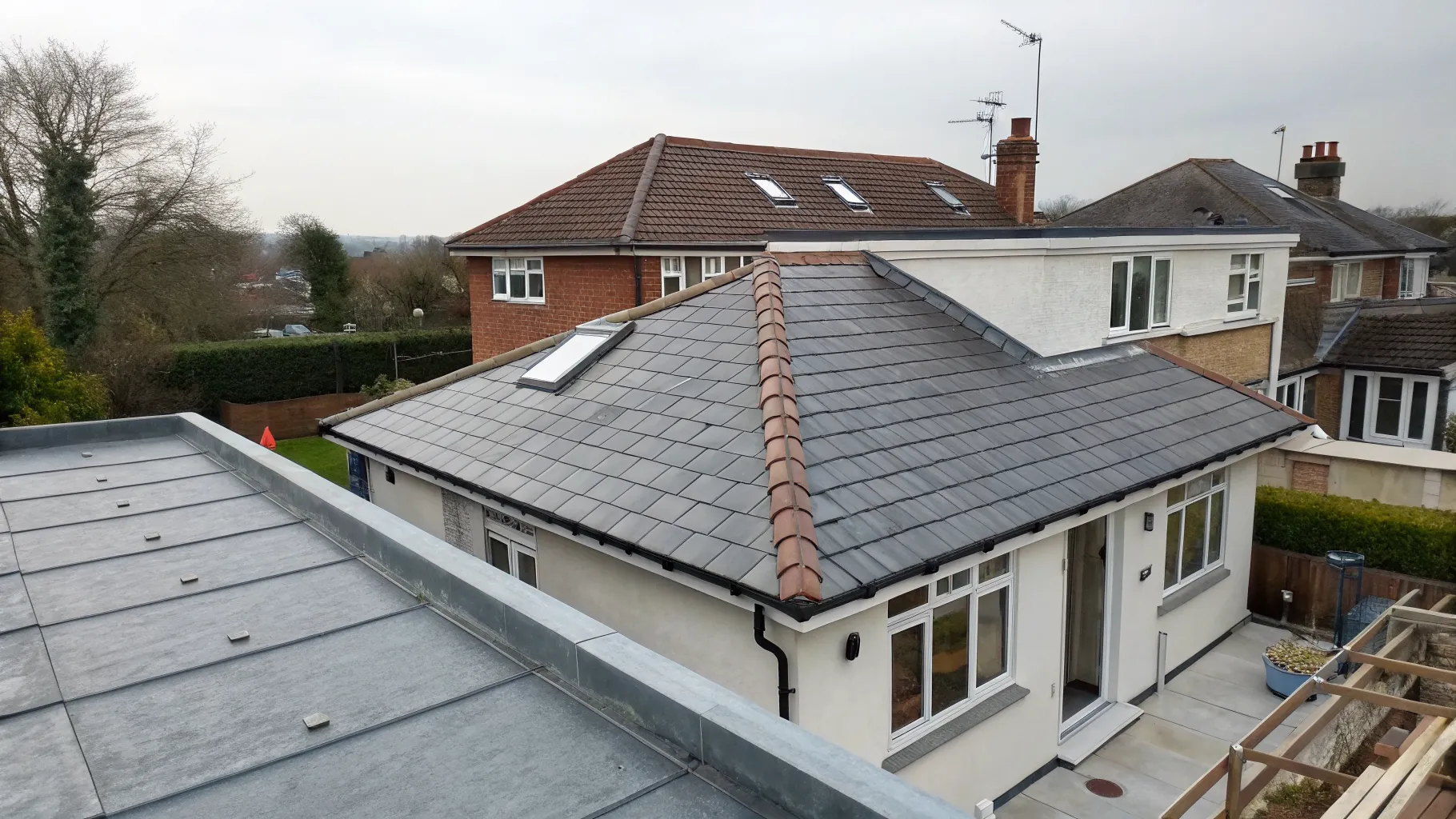
If you are weighing up a flat roof against a pitched roof, the choice comes down to three things: what it costs to build now, how long it lasts, and what it costs to keep over the next 20 or 30 years. Most homeowners start with the headline price, and a flat roof almost always wins on day one. Look past the install quote, though, and the numbers shift in ways that change the answer for a lot of projects.
This guide gives you the real UK figures for both, explains where the money goes, and helps you decide based on your roof rather than a generic rule.
The short answer
A flat roof is cheaper to install. A pitched roof lasts far longer and costs less to maintain. For a small extension, garage, porch or dormer where a pitch is impractical, flat is the sensible and often the only realistic option. For a main house roof or a large area you want to forget about for decades, a pitched roof usually works out better value despite the higher upfront cost.
The reason is lifespan. A good pitched roof in tile or slate can run 50 to 100 years. A flat roof, depending on the covering, runs 15 to 40 years. Over the life of one pitched roof you might replace a flat roof two or three times, and those repeat bills close the gap.
Flat roof costs in the UK
Flat roof pricing depends almost entirely on the covering you choose. Three systems are common on UK homes, at quite different price points.
- Felt (torch-on bitumen): roughly £40 to £70 per m². The cheapest to install and the shortest lived, typically 15 to 20 years.
- EPDM rubber: roughly £50 to £95 per m². A single sheet of synthetic rubber, very few seams, and the most popular choice for residential flat roofs. Expect 20 to 40 years or more with proper detailing.
- GRP fibreglass: roughly £80 to £130 per m². A jointless glass reinforced plastic layer, the right pick for anything you will walk on such as a balcony or roof terrace. Around 25 to 40 years.
For a typical small extension or garage of 25 to 30m², that puts a felt roof in the low thousands and a GRP roof higher again. Those ranges include labour and materials but cover the waterproof layer only.
Two costs get left off headline quotes more often than they should:
- Strip out and disposal of the old roof, which commonly adds a few hundred pounds.
- Scaffolding on a two storey property, charged by the week, which can add several hundred pounds more.
Always ask whether a flat roof quote includes removal of the existing covering and any access equipment. A quote that excludes both can look far cheaper than one that includes them.
Pitched roof costs in the UK
Pitched roofs cost more per square metre because there is more to them: rafters or trusses, a larger surface area than the footprint thanks to the slope, battens, underlay, and hundreds of tiles or slates to lay and fix.
As a broad guide, a new pitched roof runs from around £100 to £260 per m² installed depending on the material. Concrete tiles sit at the lower end, clay tiles cost more and hold their colour and shape longer, and natural slate sits at the premium end. A full re-roof on a typical UK semi often lands in the region of £6,000 to £18,000 once scaffolding, labour, materials and VAT are in, with the final figure driven by size, pitch, material and where you live. London and the South East carry a clear premium over the North and Wales.
Labour is a large slice of any pitched roof, often around half the total, which is why a roof with multiple slopes, valleys and dormers costs more than a simple gable.
Lifespan and maintenance compared
This is the part that flips the decision for a lot of homeowners.
A flat roof needs more attention over its life. Water sits on it rather than running straight off, so detailing around upstands, outlets and joints has to be right. Felt degrades under UV and movement, which is why the cheaper systems need replacing sooner. EPDM and GRP last longer but no flat roof is fit and forget.
A pitched roof sheds water by gravity. Tiles and slate are extremely durable, and most maintenance is checking for slipped or cracked tiles, clearing gutters and keeping flashings sound. The covering can outlast the people who paid for it.
Put simply: a flat roof is cheaper to install and dearer to keep, a pitched roof dearer to install and cheaper to keep. If you plan to stay a long time, weight your decision towards lifespan. For a rental property or a short hold, the lower upfront flat roof cost may suit you better.
A flat roof is not actually flat
Worth clearing up, because it causes confusion at quoting stage. Under the British Standard for flat roofs, BS 6229, a flat roof is one with a pitch no greater than 10 degrees. A proper flat roof is built with a slight slope, called a fall, so water drains rather than ponds.
The standard recommends designing to a fall of 1:40 so that a minimum finished fall of 1:80 is still achieved once construction tolerances and any sag in the deck are accounted for. A dead level deck with no fall is a red flag. Standing water is the single biggest cause of flat roof failure, and a quote that does not mention falls is one to question.
You can read the National Federation of Roofing Contractors’ guidance for homeowners on choosing a roofing contractor before you commit to any quote.
Planning and building regulations
For most repairs and like for like replacements you will not need planning permission, but two points matter.
If you are adding a flat roof extension under permitted development, height is restricted. Any part of the roof within 2 metres of a boundary is generally capped at 3 metres high, with limits on how far it can project. Conservation areas, listed buildings and certain locations remove permitted development rights entirely, so check with your local planning authority first.
Building regulations apply even when planning permission does not. If you are renewing 50% or more of a roof’s area, the work needs Building Control sign off, or it must be done by a contractor registered with a Competent Person Scheme such as the NFRC’s, who can self certify it. That covers insulation, structure and drainage, and gives you paperwork that matters when you sell. The government’s permitted development technical guidance sets out the detail.
How to choose for your project
Run through these questions before you call anyone out:
- What is the roof for? A main house roof or anything you want to last decades points to pitched. A small extension, garage, porch, dormer or balcony usually points to flat.
- Can it even take a pitch? Where headroom, neighbours’ light or planning height limits rule out a slope, flat is your only practical route.
- How long are you staying? Long term owners benefit from a pitched roof’s lifespan. Short holds and rentals may prefer the lower flat roof outlay.
- If flat, which covering? Felt for the tightest budget on a roof you will not walk on, EPDM as the value middle ground, GRP for a walkable, fully sealed surface.
- What is the whole cost? Get strip out, disposal, scaffolding and VAT itemised so you are comparing like with like.
If you are still weighing up materials, our guide to how much a new roof costs in the UK breaks the figures down by roof type and property size.
Frequently asked questions
Is a flat roof cheaper than a pitched roof? Yes, to install. A flat roof covering typically costs £40 to £130 per m² depending on whether you choose felt, EPDM or GRP, while a pitched roof generally runs £100 to £260 per m² installed. The gap narrows or reverses over time because pitched roofs last far longer and need less maintenance.
How long does a flat roof last compared to a pitched roof? A felt flat roof lasts around 15 to 20 years, EPDM rubber 20 to 40 years or more, and GRP fibreglass roughly 25 to 40 years. A pitched roof in tile or slate can last 50 to 100 years, so you may replace a flat roof two or three times in the life of one pitched roof.
Which flat roof material is best? For most homes EPDM rubber offers the best balance of price and lifespan, with very few seams to fail. GRP fibreglass is the choice for anything you will walk on, because it is fully sealed and hard wearing. Felt is the cheapest but the shortest lived.
Do flat roofs leak more than pitched roofs? Flat roofs are more demanding because water drains slowly, so poor detailing and standing water cause failures. A correctly built flat roof has a fall built in, and a well laid EPDM or GRP roof can stay watertight for decades. The risk comes from cheap installs and skipped maintenance, not the roof type alone.
Do I need planning permission to change my roof? Usually not for a like for like repair or replacement. A new flat roof extension under permitted development faces height limits, particularly within 2 metres of a boundary, and conservation areas or listed buildings remove those rights. Building regulations still apply, and renewing 50% or more of a roof area needs Building Control sign off or a Competent Person Scheme registered roofer.
Can a flat roof be converted to a pitched roof? Yes, and homeowners do this to improve drainage, appearance and lifespan, often over a garage or extension. It means adding a timber structure and a tiled or slate covering in place of the flat deck, so it costs more than re covering the flat roof. Whether it is worth it depends on the height and planning limits at that part of the house.
Want costs like this each month?
Join the Roofline brief for current UK prices and quote-reading tips.
More from Professional Roofers
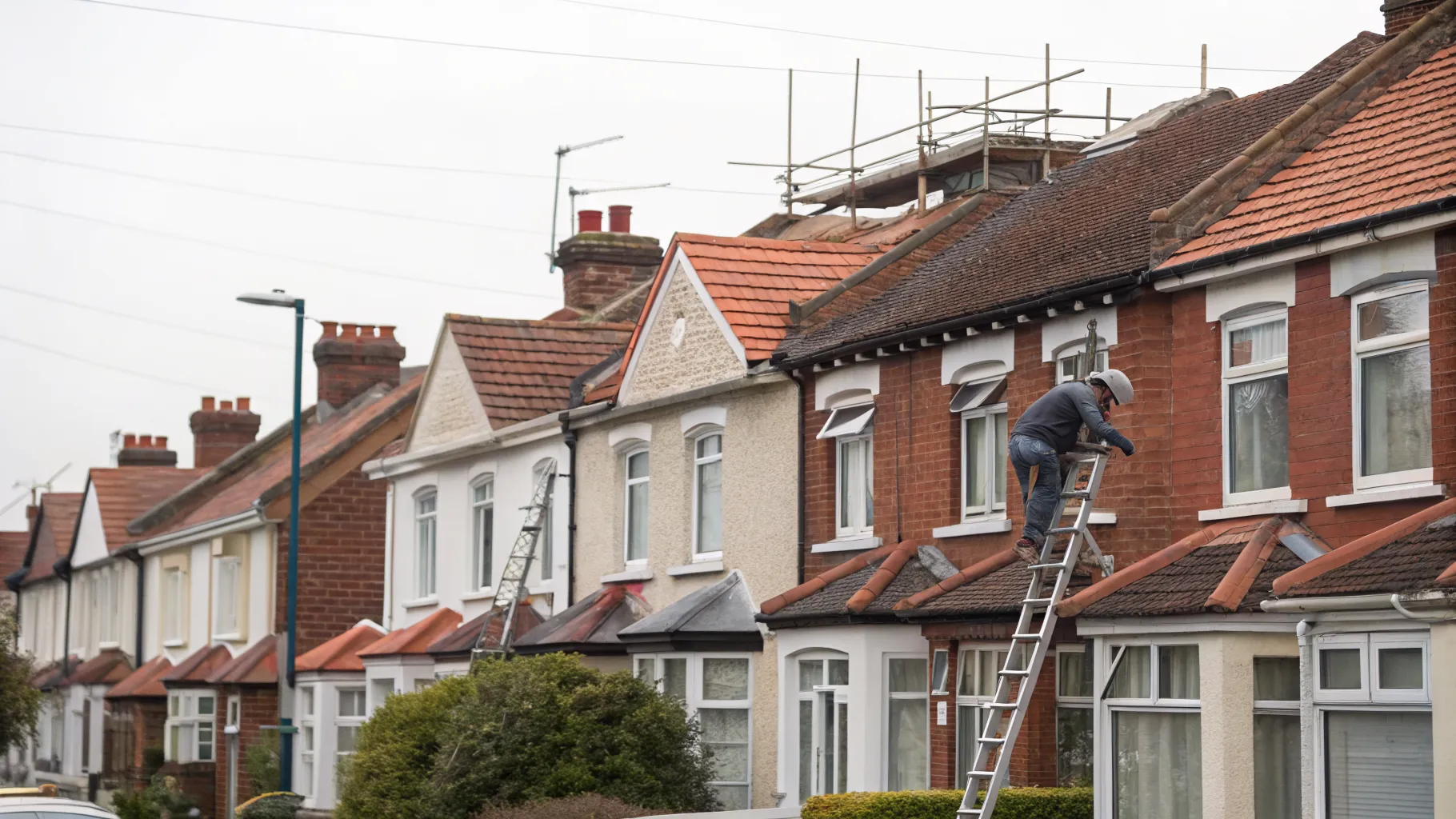
How Much Does a New Roof Cost in the UK in 2026?
What a new roof really costs in the UK in 2026, broken down by house size, material and the hidden extras, plus how to check you are being quoted fairly.
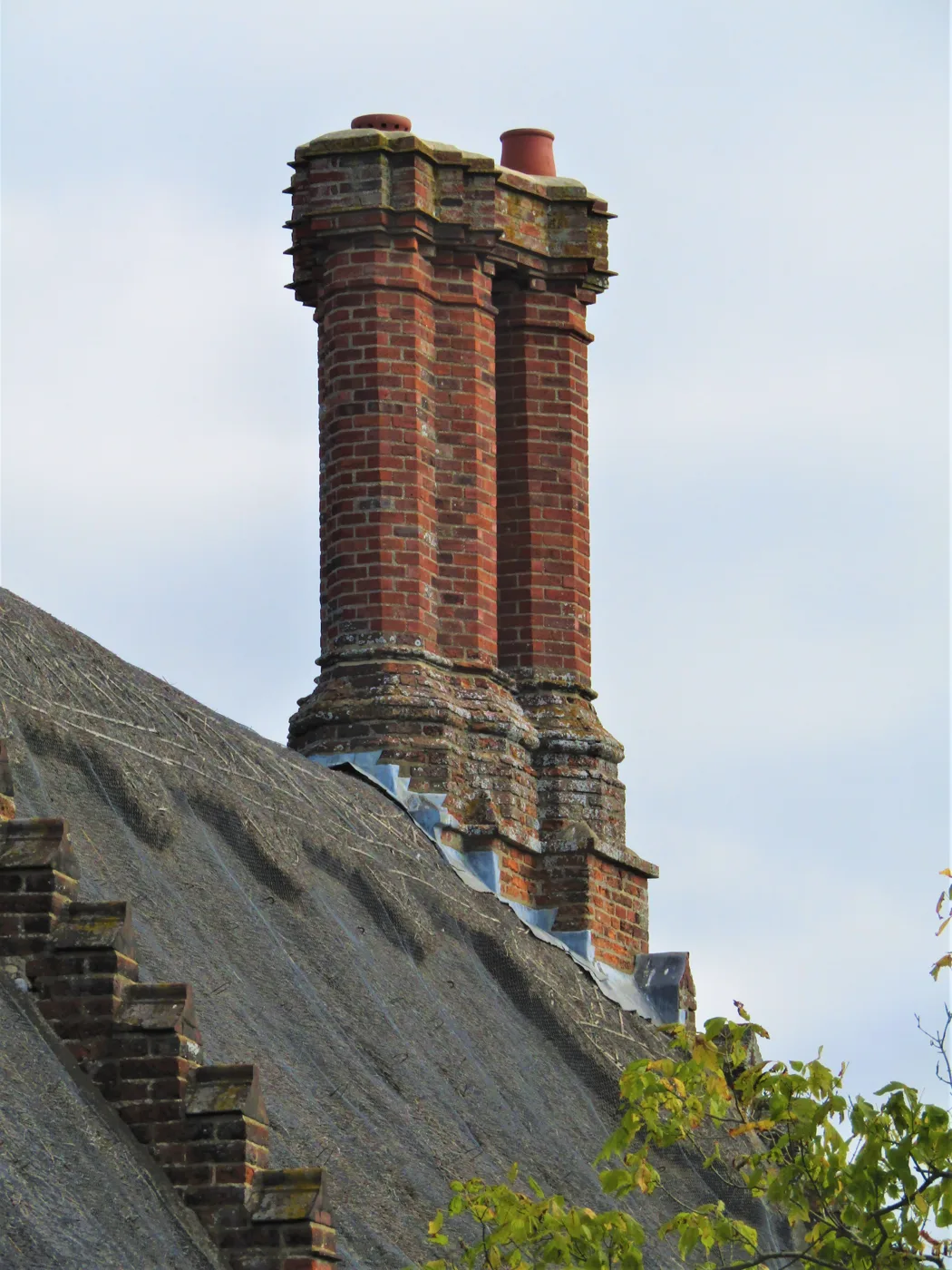
Chimney Repointing and Repair Cost UK (2026)
What chimney repointing cost is in the UK in 2026, why scaffolding drives the price, and how repointing compares to rebuilding, flashing and pot repairs.
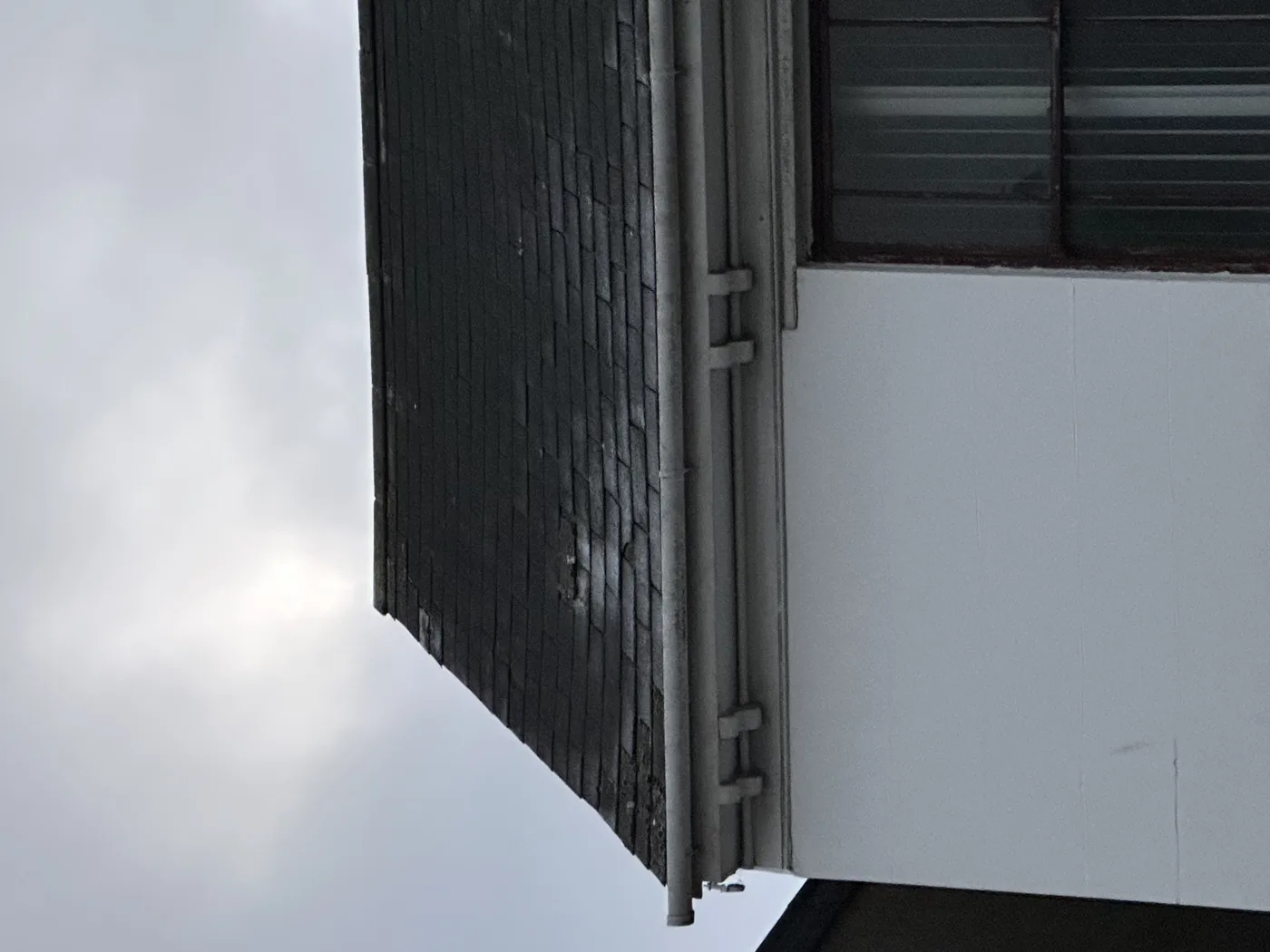
Roof Inspection and Survey Cost UK: What's Checked and the Price
Roof inspection cost UK 2026: what a ground, ladder or drone survey checks, typical prices for each, and when a written roof report is worth paying for.