Roof Leak Repair Cost UK 2026: £220 to £550 Typical
By the Professional Roofers team
Updated 2026 · Independent cost guide
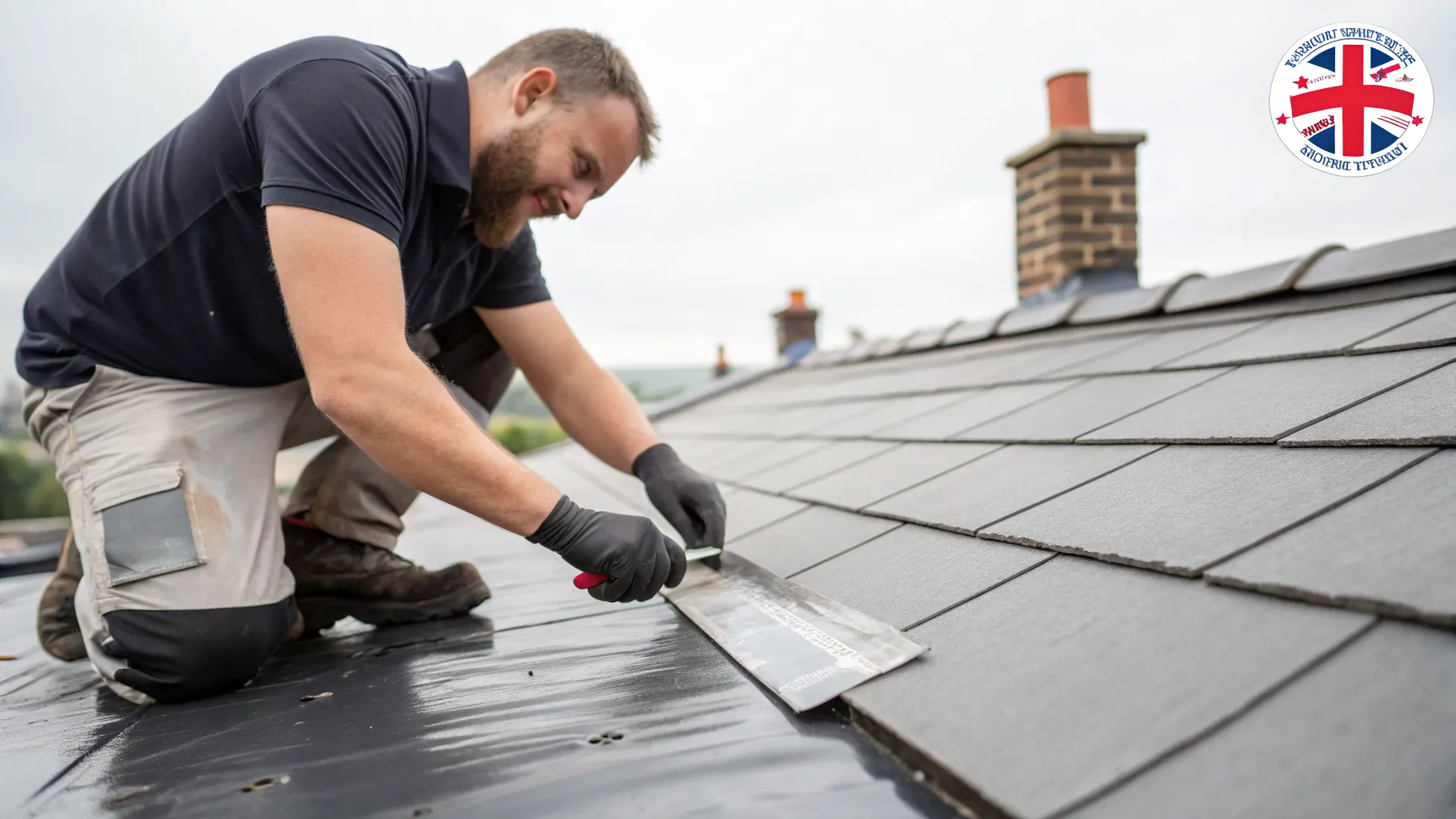
Most roof leak repairs in the UK cost between £220 and £550, with the average landing around £375. A simple leak from a slipped tile sits at the lower end; a leak you cannot trace, or one that has already soaked the timbers, climbs well past that. The price you actually pay turns on three things: how hard the leak is to find, how hard the roof is to reach, and what is causing it in the first place.
These are indicative ranges to help you sanity-check a quote. No honest roofer prices a leak without seeing it, so treat the figures below as a guide, not a substitute for an inspection.
Roof leak repair cost by cause
Here is what the common jobs typically run in 2026, for a standard two-storey house with reasonable access.
| Repair | Typical cost range |
|---|---|
| Minor leak from a slipped or cracked tile | £150 to £350 |
| Most common leak repairs | £220 to £550 |
| Flashing patch or local repoint | £200 to £500 |
| Full chimney re-flashing | £800 to £1,200 |
| Hard-to-trace or structural leak | £800 to £1,500+ |
| Leak detection or roof inspection | £150 to £400 |
| Emergency storm callout (fee on top of repair) | £100 to £300 |
A couple of points worth knowing. Flashing is the usual culprit around chimneys and where the roof meets a wall, and a small patch is far cheaper than a full re-flash, but a tired lead flashing patched once tends to fail again. And leak detection is a real line item: if the source is not obvious, paying for a proper inspection up front is cheaper than paying a roofer to guess.
Why a leak is rarely where the stain is
The thing the thin guides skip is that water travels. It can run along a rafter or a felt lap for some distance before it drips through the ceiling, so the wet patch on your bedroom ceiling is often nowhere near the actual entry point on the roof.
The common entry points are predictable: wind has lifted or cracked tiles, lead flashing around a chimney or parapet has split or pulled away, flat-roof felt or GRP has blistered, or a blocked gutter has forced water back under the roof covering. Clearing gutters is the single cheapest piece of leak prevention there is, and a surprising number of “roof leaks” are really drainage problems. Tracing the true source before you call anyone can save a wasted callout.
What pushes the bill higher
Three things turn a modest repair into a big one.
Access. A leak you can reach from a ladder is cheap. The moment the job needs scaffolding, the cost changes shape: scaffolding for a standard house commonly adds several hundred pounds, and more around a chimney or at high level. Our roof scaffolding cost guide breaks down when you actually need it.
Hidden damage. If a leak has run undetected for months, you may be paying to replace soaked battens, felt or even rafters, not just to seal the entry point. Catching a leak early is the difference between a tile job and a timber job.
Region. London and the South East typically run 20 to 30 per cent above the cheapest parts of the country, mostly down to higher labour and access costs.
Labour itself is usually charged at a daily rate, and complex leaks sometimes need two roofers, which roughly doubles the daily labour line. For a fuller picture across all repair types, see our roof repair cost UK guide, and the roof replacement cost calculator if the damage turns out to be widespread.
Is a leaking roof an emergency?
Sometimes. A steady drip during a storm, water near light fittings, or a sagging ceiling is worth an emergency callout, which carries a fee on top of the repair. A small stain that only appears in heavy rain can usually wait for a normal booking, which is cheaper.
Whether your insurer pays depends on the cause: sudden storm damage is often covered, while a leak caused by wear, age or lack of maintenance usually is not. Check your policy wording, and the Association of British Insurers has a plain explanation of what buildings insurance typically covers. The cost guides at Checkatrade are a useful second opinion on current prices.
How to keep the cost down
Act early, because a leak never gets cheaper by waiting. Clear your gutters every autumn so drainage problems never become roof problems. Get two or three quotes for anything beyond a single tile, and ask each roofer to confirm whether the price includes finding the leak or only fixing it once found. And if scaffolding is going up anyway, ask whether other minor jobs can be done at the same time, since the access is the expensive part.
What leak detection costs on top of the repair
On most jobs the roofer finds the leak as part of the visit and does not charge separately: a loft inspection with a torch and a hose test from the eaves upwards usually settles it in an hour. The separate charge appears when the source will not show itself and someone has to bring equipment.
| Finding the leak | Typical cost |
|---|---|
| Roofer traces it during the repair visit | Usually included |
| Standalone visual roof survey with a written report | £150 to £250 |
| Thermal imaging survey, standard house | £300 to £500 |
| Non-invasive leak detection call-out (camera, acoustic, tracer gas) | £150 to £400 |
| Thermal survey, large flat or commercial roof | £500 to £1,200 |
A roof survey averages about £250 in 2026 and thermal work sits above it. Two things make that money worth spending. The first is a flat roof, where water can enter in one place and track several metres between the deck and the covering, so there is nothing to see from above. The second is an insurance claim, because a dated report with images is the evidence an insurer asks for. For anything else, pay a roofer to look rather than paying for a survey first.
Roof leak repair cost by roof type
The covering changes both the price and how the fix is done.
| Roof type | Typical leak repair | Notes |
|---|---|---|
| Concrete or clay tile, pitched | £150 to £400 | Cheapest, tiles lift out individually |
| Natural slate, pitched | £250 to £600 | Slates are brittle and each one is nailed or hooked |
| Felt flat roof | £150 to £400 patch, £1,200 plus to re-cover | Patching an old felt roof often just moves the leak |
| EPDM or GRP flat roof | £200 to £500 | Blisters and failed seams are the usual entry points |
| Lead valley or chimney flashing | £200 to £600, up to £1,200 for a full re-flash | The single most common source on older houses |
| Conservatory or lean-to glazing bar | £150 to £450 | Usually seals and gaskets rather than the roof itself |
If a felt flat roof is more than about fifteen years old and has leaked more than once, a patch buys months rather than years. At that point compare the patch price against a re-cover before spending anything, and see flat roof problems and repairs.
What a temporary fix costs while you wait
A roofer cannot always come the same day, and stopping water getting in overnight is worth doing yourself where it is safe from inside the loft.
- A bucket and a nail. If water is pooling in a ceiling bulge, pierce the lowest point with a nail over a bucket. That releases the water in a controlled place instead of bringing the plasterboard down. Cost: nothing.
- Tarpaulin over the affected slope. £20 to £60 for the sheet and battens if it is a ground-floor or single-storey roof you can reach safely. Never go up a ladder in wind or rain to do it.
- Emergency call-out for a temporary cover. £150 to £300 typically, on top of the permanent repair later. Worth it when water is near light fittings or a consumer unit.
Move anything valuable, turn off the circuit if water is anywhere near electrics, and photograph everything before you clean up: that is the evidence for a claim. See emergency roof repair for what an out-of-hours visit covers.
How long a roof leak repair takes
A single slipped tile or a small flashing patch is a couple of hours. A leak that has to be traced first is more often half a day to a full day, because finding the entry point is most of the work. If battens, felt or a rafter end have rotted, the job runs one to three days and the price moves from the repair band into the timber band. Scaffolding adds a day at each end for the erect and the strike, and the hire is normally billed on a minimum term of six to eight weeks whether you need it that long or not.
Frequently asked questions
How much does it cost to fix a roof leak in the UK? Most roof leak repairs cost between £220 and £550, with an average around £375. A minor leak from a slipped tile can be £150 to £350, while a hard-to-trace or structural leak can run £800 to £1,500 or more. Access and region both move the figure.
Why is my roof leak so expensive to fix? Cost climbs when the leak is hard to find, when the roof needs scaffolding to reach, or when water has already damaged battens, felt or timbers. A simple, accessible tile leak is cheap; a traced chimney-flashing leak at high level with hidden timber damage is not.
Does home insurance cover a leaking roof? It depends on the cause. Sudden, accidental damage such as a storm lifting tiles is often covered, while a leak caused by general wear, age or poor maintenance usually is not. Check your policy wording and report storm damage promptly.
How do I know where my roof is leaking? You often cannot tell from the ceiling stain, because water travels along timbers before dropping through. Common sources are cracked or slipped tiles, failed chimney flashing, blistered flat-roof felt, and blocked gutters. A roofer can usually trace it on a visual inspection, and detection is a normal paid step for tricky leaks.
Is a leaking roof an emergency? It can be. Water near electrics, a fast drip during a storm, or a bulging ceiling warrants an emergency callout, which adds a fee on top of the repair. A small stain that only shows in heavy rain can usually wait for a standard booking.
How much does it cost to find a roof leak? On most jobs nothing extra: the roofer traces it during the repair visit with a loft inspection and a hose test. Where that fails, a written roof survey runs £150 to £250 and a thermal imaging survey of a standard house £300 to £500. Paying for detection first is usually only worth it on a flat roof or when an insurer wants a dated report.
How much does it cost to fix a leaking flat roof? A patch to felt, EPDM or GRP is typically £150 to £500. If an old felt roof has leaked more than once, a patch tends to buy months rather than years, and a re-cover from around £1,200 is the better comparison.
How long does it take to fix a roof leak? A couple of hours for a slipped tile or a small flashing patch. Half a day to a full day when the leak has to be traced first, and one to three days if battens, felt or rafter ends have rotted and need replacing.
What can I do to stop a roof leak until the roofer arrives? Pierce the lowest point of any ceiling bulge over a bucket so the water comes out where you choose, turn off the circuit if water is near electrics, and move what you can. A tarpaulin is only sensible on a low roof you can reach safely. An emergency temporary cover from a roofer is usually £150 to £300 on top of the permanent repair.
Want costs like this each month?
Join the Roofline brief for current UK prices and quote-reading tips.
More from Professional Roofers
How Much Does a New Roof Cost in the UK in 2026?
What a new roof really costs in the UK in 2026, broken down by house size, material and the hidden extras, plus how to check you are being quoted fairly.
Chimney Repointing and Repair Cost UK (2026)
What chimney repointing cost is in the UK in 2026, why scaffolding drives the price, and how repointing compares to rebuilding, flashing and pot repairs.
Roof Inspection and Survey Cost UK: What's Checked and the Price
Roof inspection cost UK 2026: what a ground, ladder or drone survey checks, typical prices for each, and when a written roof report is worth paying for.